Exploring ideas means just that. No commitment to any point of view. Just an inquiry or investigation to see if the information makes sense. Most of these questions are timeless and been worked on for centuries. Some have devoted their lives to understanding universal truths. These questions are ancient and mankind has struggled with reconciling what they see in the natural world with a yearning in the heart and soul for a deeper, clearer understanding of these questions. This is a beginning. Where it leads is a mystery to be solved only by you and your level of curiosity so let the exploration begin!
Q1. Does God Exist? Ideas from science and philosophy
Watch
Not sure where to start? Fr. Pine’s video gives you the full survey, all five of Aquinas’s classical arguments in one sitting. Trent Horn’s video goes narrower and deeper, focusing on just one of those five (the contingency argument) and building the case for why it’s the strongest. Watch Fr. Pine first for the overview, then Horn if you want to sit with the strongest single argument a little longer.

Five Ways to Prove God Exists – Overview of thoughts from Thomas Aquinas ideas on understanding natural theology and understanding of the existence of God based on observations of nature.

The Best Argument for The Existence of God = interview with Trent Horn where he explains the contingency argument as the existence of God as the most plausible.
Read:
Not sure where to start? A Fortunate Universe is the careful, science-first read, two working cosmologists walking through the physics of fine-tuning with no rhetorical edge, letting the data make the case. Is Atheism Dead? covers similar ground but in a livelier, more combative voice, written to argue directly against atheism rather than simply lay out the evidence. Read Barnes and Lewis if you want the measured, evidence-led version. Read Metaxas if you want a punchier, more opinionated take on the same questions.
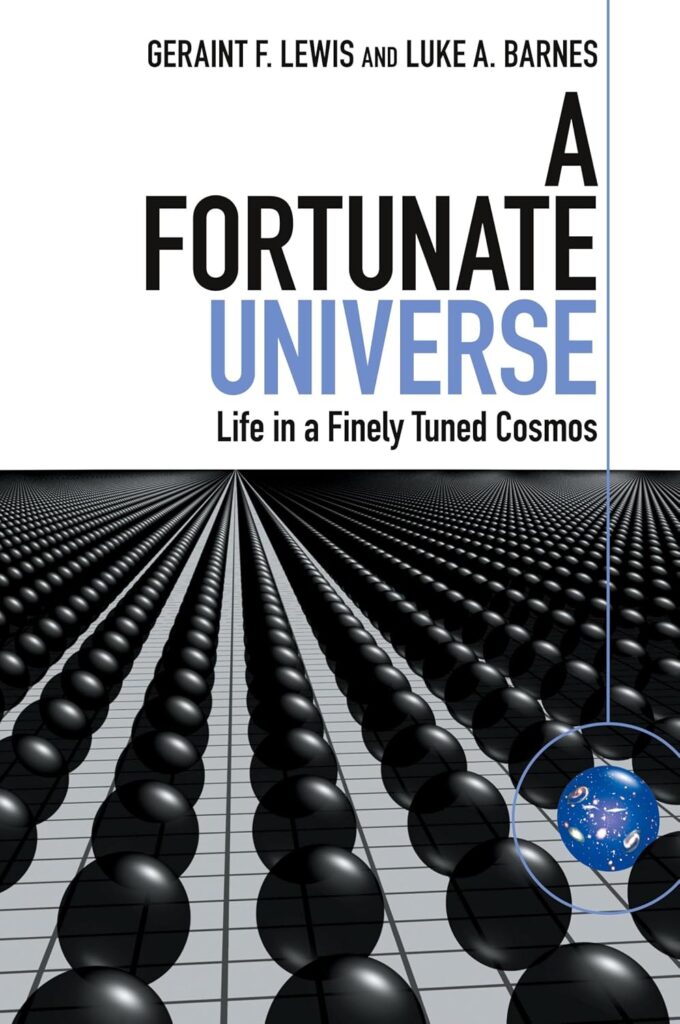
A Fortunate Universe: Life in a Finely Tuned Cosmos by Luke Barnes
A science-first look at the fine-tuning of physical constants, why the universe’s fundamental values sit in such a narrow range that even small variance would make life impossible. Written by two working cosmologists, this is the main recommendation for this topic.
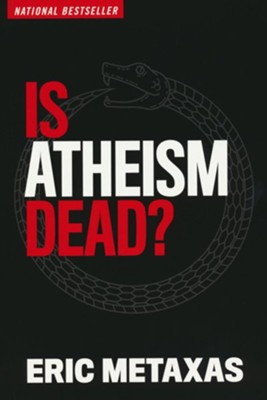
Is Atheism Dead by Eric Metaxas
A mix of science and philosophy along with a bit of humor, the book provides an spirited look and retort to the a famous Time Magazine cover asking, ‘Is God Dead?’ A punchier, more assertive take on the same territory (fine-tuning, cosmology, and the God question), written for the reader who wants a livelier, more combative voice rather than a measured one.
Q2. If God Exists, Why is There Suffering?
This is a deep question with lots of answers. Here are few places to being the journey and add some clarity to this topic.
Watch –

The Real Answer to Why God Allows Suffering – Fr. Mike Schmitz – Fr. Mike uses a modern day comic series analogy to explore suffering and how it is related to ideas like free will.

Why Does God Allow Suffering? Thomas Aquinas Explains – What if suffering isn’t a case against God, but a clue toward deeper meaning? In this short video , grounded in the ideas we have on God from Thomas Aquinas, some pain comes from real freedom (which makes love possible), some from a world with real physical laws—and evil is best seen as a “missing good,” not something God made.

Hardest question we have to face John Lennox at SMU – In this video a mathematician John Lennox agrees that this is the hardest question to answer. Reframes the question to ask given a world of “beauty and bombs,” ask whether there is evidence of a trustworthy God amid the mixed reality. Suggest that the central idea of Christianity where the cross shows God enters human suffering; the resurrection indicates death is not final shows that God is not distant to our suffering.

Why does God Allow Suffering? Fulton Sheen. – In this longer video it explores the topic more deeply. This comprehensive take on God and suffering includes exploration on suffering itself. Some of the topics broached include how suffering challenges our beliefs and teaches us things like empathy and kindness. Suffering also strips the human illusion of self control and redirects our dependence on things outside us like God. You might have to listen a couple times to absorb the information but it is a much more deep conversation on this subject.
Read:
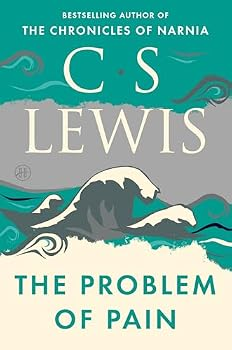
The Problem of Pain by C.S. Lewis If you’ve ever read The Chronicles of Narnia or maybe watched the movie, you’ll know this author C. S. Lewis. In his book, The Problem of Pain, he presents an honest wrestling with suffering — reflective rather than argumentative, and trusted across Christian traditions for nearly a century.
The Problem of Pain by C.S. Lewis
Q3. Was Jesus a Real Person in History?
This age old question must be treated the same way we look at others in history. Very few have biographies or portraits to prove a person existed 2000 years ago. However, there is a consensus method used by historians to answer such questions and these videos and books attempt to answer this question.
Watch

Is There Any Hard Evidence That Jesus Actually Existed? – This is a neutral look trying to settle the “Did Jesus exist?” debate with a clear, evidence-packed guide that distills what historians actually agree on. You’ll hear from Tacitus and Josephus, understand why New Testament sources are treated as historical documents, and see which events scholars deem most likely. Perfect for curious skeptics and seekers who want facts, not folklore. Read now to get the consensus without wading through academic jargon.

Jesus Was NOT A Myth (15 minutes Of Evidence) – This is video is made by someone who makes evidence for Jesus feel concrete. This video presentation compiles historical sources—Tacitus, Josephus, the Talmud, and early Christian records—along with the “minimal facts” approach (Habermas, Licona) to argue Jesus died by crucifixion and that disciples and skeptics like James and Paul believed he appeared to them. If you want quotes, source names, and a fast, structured case you can share or study now, this delivers it.
Read:
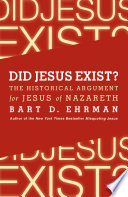
Did Jesus Exist? The Historical Argument for Jesus of Nazareth by Bart Ehrman
Written by a scholar who isn’t a believer, this book lays out why virtually every historian — regardless of faith — agrees Jesus of Nazareth was a real person, and examines what Roman and Jewish writers of the time actually said about him
Q4. Are the Gospels Reliable Historic Documents?
This is a topic that goes deep and has been studied and debated for centuries. The 3 videos chosen are purposeful in that each goes a bit deeper into the topic. Here’s an summary.
Fr. Mike Schmitz — the story, in ten minutes (start here)
6 Reasons — why scholars trust the Gospels as sources (a step deeper)
Wes Huff — the full evidentiary lecture, for the visitor ready to sit with it (go deep)
Watch

The Bible in 10 Minutes – Fr. Schmitz – Before asking whether the Bible holds up historically, it helps to know what it’s actually saying. This quick, warm walk through the whole story, from creation to Christ to the Church, shows it’s one continuous plan rather than a scattered collection of tales. So before you dig in deeper, this is the place to start.

The Gospels are Historically Reliable: 6 Reasons by Mike Lincoa – A closer, evidence-focused look at a fair question: do the Gospels hold up as historical sources? This video walks through six reasons scholars treat them as reliable, from how early they were written while eyewitnesses were still alive, to how their details check out against archaeology and outside historical records.
A quick note on sequencing: this one is naturally a step deeper than the Fr. Mike video, so if your lay-out allows a small visual or descriptive cue (like “Start here” vs. “Go deeper”), it’ll help Curious Alex know which to click first without you having to say so explicitly

Is There any Evidence for the Historicity of the Bible – Wes Huff – For those who want to go further, this lecture digs into the details: how the New Testament was actually copied and transmitted, why having over 5,000 manuscript witnesses matters, and how small archaeological finds keep confirming small details in the text. It’s more thorough than the videos above, but for the visitor who wants to see the evidence itself rather than just hear it summarized, it’s worth the time.
Read
Not sure where to start? Pitre’s book is the more approachable read, written for a general audience and centered on one focused question: who really wrote these accounts? Blomberg’s book is the deeper, more academic treatment, tackling a wider range of objections including alleged contradictions and the miracle accounts. Either stands on its own, but Pitre is the easier entry point if you’re new to this topic.
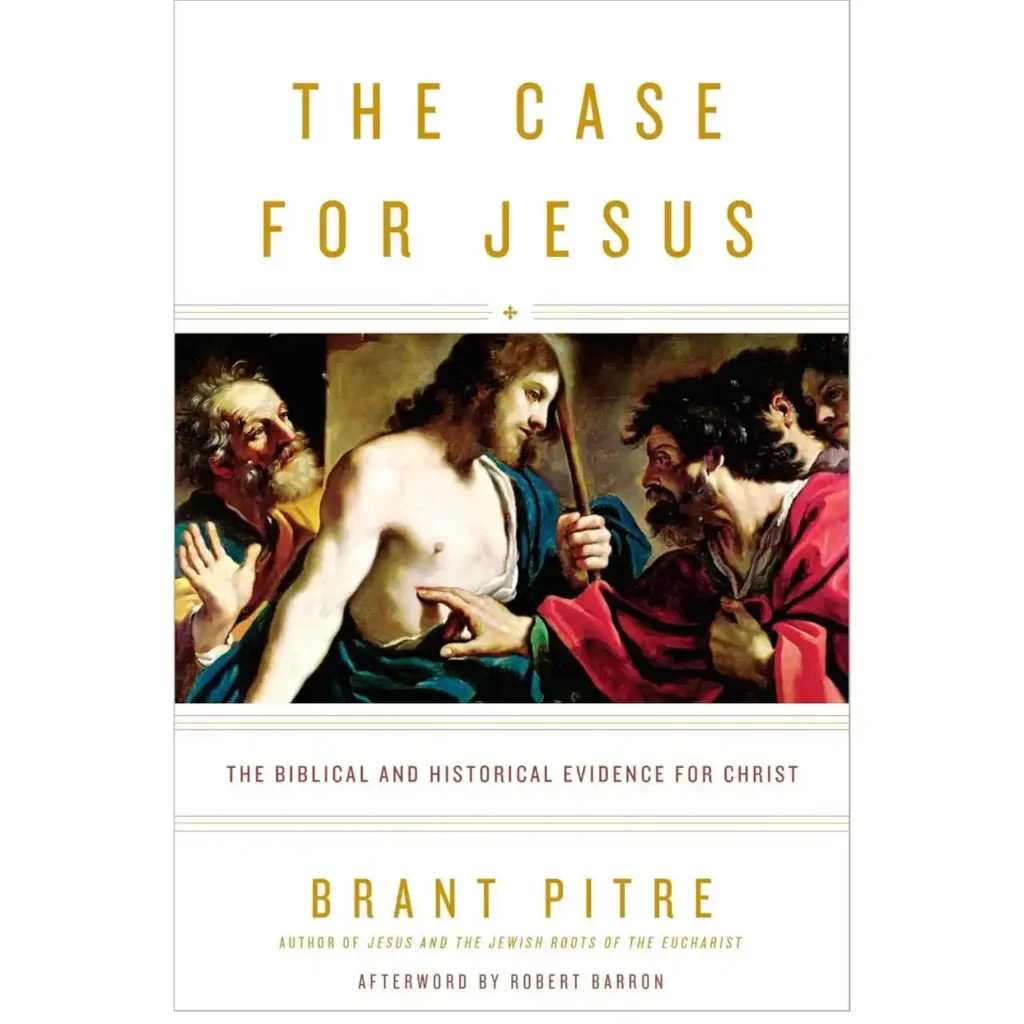
The Case for Jesus by Brant Pitre – Written by a Catholic Scripture scholar, this book zeroes in on a question many people assume is settled science but isn’t: do we actually know who wrote the Gospels? Pitre walks through the early manuscript evidence and shows it would have made little sense for the early Church to attach names like Matthew, a widely despised tax collector, to books they didn’t write. Approachable and story-driven rather than academic in tone.
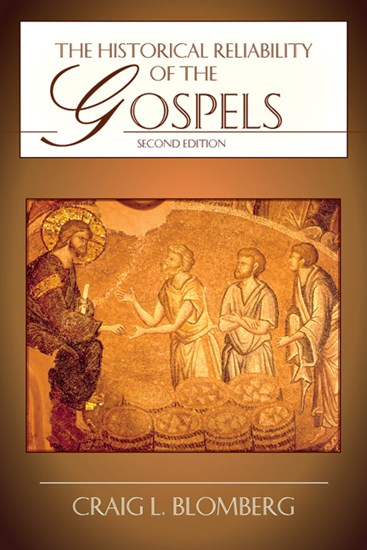
The Historical Reliability of the Gospels by Craig Blomberg – A scholarly but even-handed walk through the toughest objections skeptics raise about the Gospels, apparent contradictions between them, the miracle accounts, and how John’s Gospel differs from the other three. Blomberg doesn’t dodge the hard questions; he weighs the evidence and shows why the Gospels hold up well compared to other ancient historical writing.
Q5. Did Jesus Really Rise from the Dead?
The claim that changes everything. Historians — even skeptical ones — generally agree on a handful of facts: Jesus was crucified, his followers came to believe he had risen, and that belief transformed their lives. What people make of those facts is where the real exploration begins.
Watch
Not sure where to start? Bishop Barron’s video is short and makes the case for why this question matters so much in the first place. N.T. Wright’s lecture goes further, walking through the actual historical evidence in detail. Watch Barron first if you’re just getting oriented, then Wright when you’re ready to sit with the case itself. I like the wisdom in the Barron video. The Wright video appeals more to the intellect.

Bishop Barron on the Resurrection of Jesus
A quick, honest reminder of just how much rides on this one claim. In a few minutes, Bishop Barron makes the case that the Resurrection was never meant to be a comforting metaphor, it’s the fact Christianity either stands or falls on.

The Resurrection of Jesus: Fact or Ancient Fiction? — N.T. Wright, The Veritas Forum at UT Austin – For the reader ready to sit with the historical case itself. One of the world’s leading New Testament scholars, whose book Surprised by Hope you may have already read, walks through why he believes the evidence points toward a real, bodily resurrection rather than a legend that grew over time.
Read
Not sure where to start? Jones’s book is short, direct, and written specifically for the reader who isn’t sure yet, a good first stop. Wright’s book goes further, less concerned with proving it happened and more interested in what it means if it did. Read Jones if you’re still weighing the claim. Read Wright once you’re ready to sit with its implications.
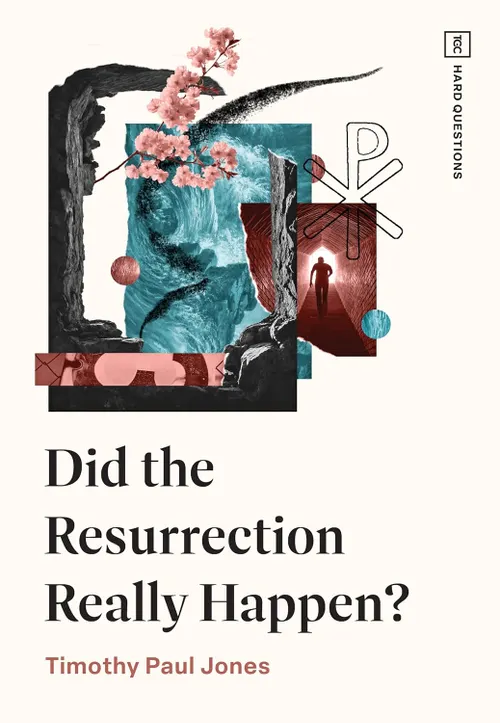
Did the Resurrection Really Happen? by Timothy Paul Jones
Short enough to read in under an hour, this booklet is written directly to skeptics rather than at them. Jones lays out the historical case, including small, easy-to-miss details like ancient graffiti mocking early Christians for worshiping a crucified man, evidence in its own right that people really did believe this happened, without assuming the reader already believes.
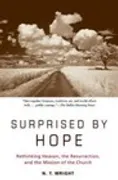
Surprised by Hope by N.T. Wright
A different kind of book. Wright, one of the world’s leading New Testament scholars, spends less time proving the resurrection happened and more time exploring what it actually means, arguing that Christian hope was never really about “going to heaven” but about bodily resurrection and a renewed creation. Written with warmth and clarity, it reframes the whole conversation rather than just defending one claim.
More Topics Coming Soon!